
Master in Photography: Your Guide to Street, Drone, Sports, and Fashion Photography
Photography is the process of freezing light, emotion, and narrative in a frame. Regardless of whether one is recording the unnoticed drama of everyday urban existence or setting up the ideal studio shot, each shutter click has the potential to be massively powerful. This site is your one-stop guide to discovering four dynamic and unique genres of contemporary image-making: Street Photography, Drone Photography, Sports Photography, and Fashion Photography.
From intimate moments on the pavement to dizzying views high above, we explore the fundamental techniques, technical expertise, and creative vision that guide each practice. Ready to change the way you perceive and capture the world? Let's explore the art of the lens.
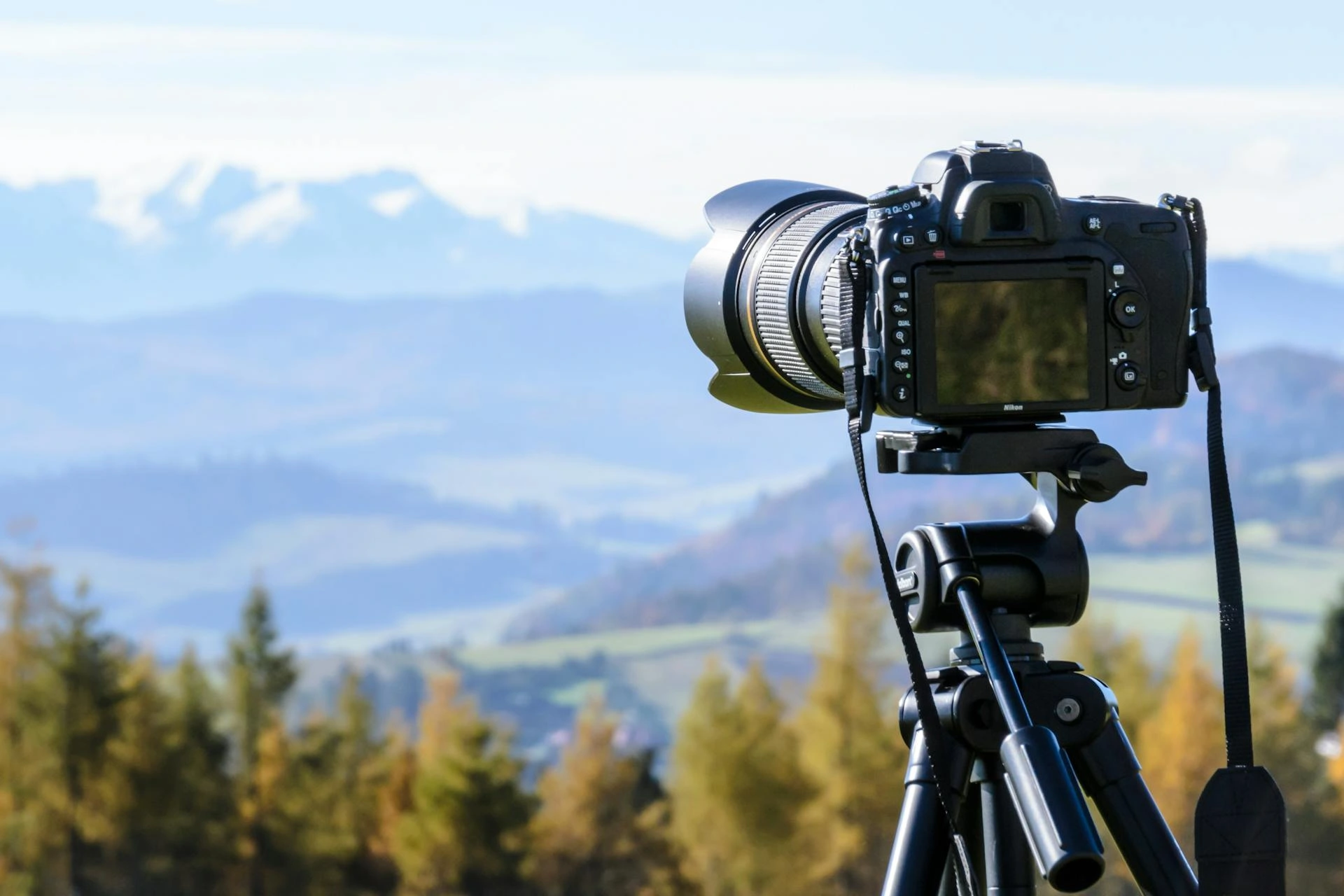

Three Essential Growth Paths in Photography
To stay competitive and highly sought after in the modern market, photographers should focus their development on three key areas that merge art, technology, and commercial demand.
Hybrid Content Creation
E-commerce Brand Visuals
Specialized Technical Niches
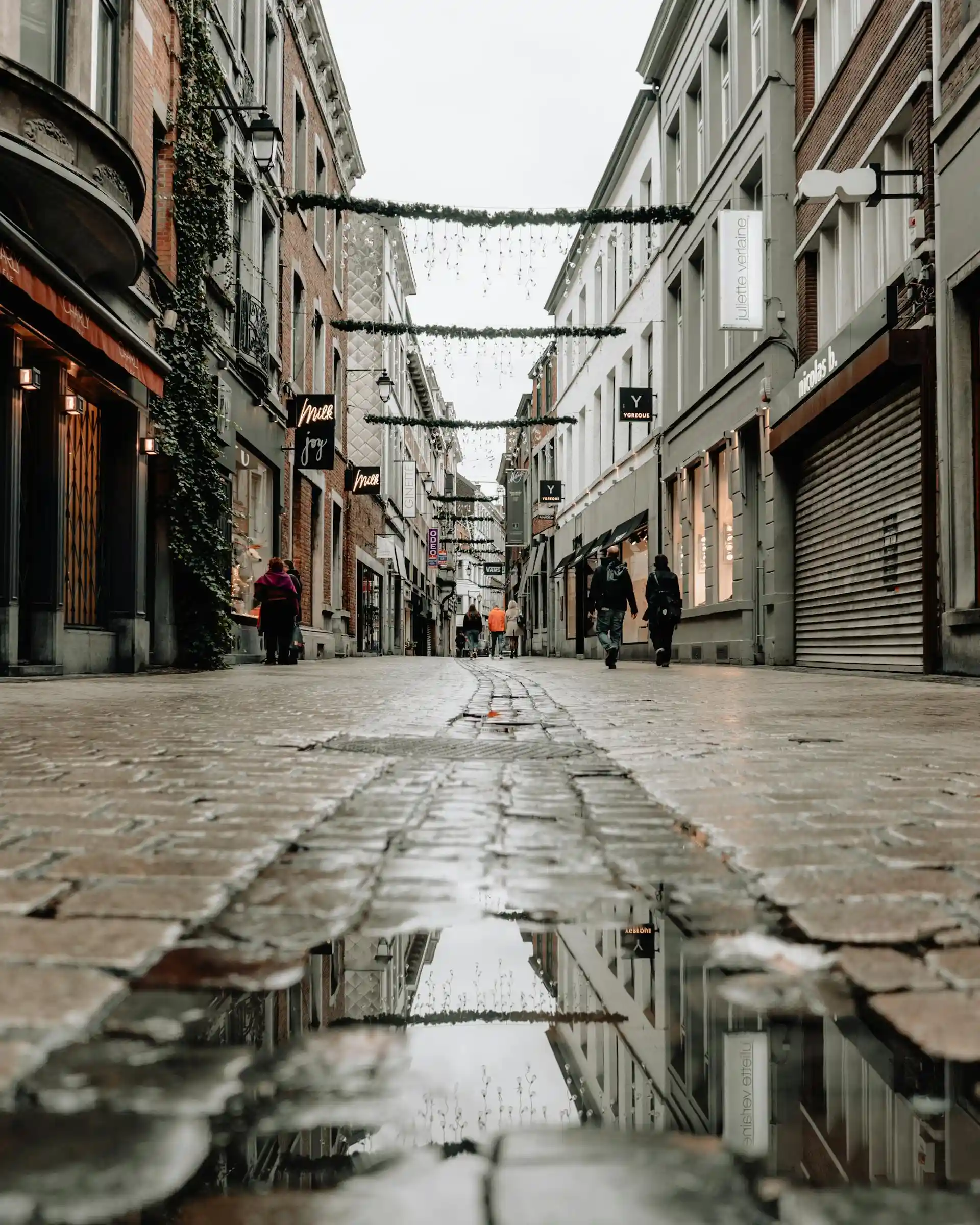
Street Photography: Capturing the Unscripted Story
Street photography is the most unprocessed and populist of the art. It's a matter of being a sensitive observer narrator, documenting the unawkward realities of life in public in between. It takes patience, intuition, and the energy of anticipating the "decisive moment"—that fleeting instant when everything in composition, illumination, and subject matter harmonizes.
The Essence of the Craft
The genre thrives on naturalness and spontaneity. It is a reflection of the human condition, capturing subtle interactions, jarring juxtapositions, and the beauty of everyday life. The goal is not merely to take a picture but to say something about a specific place and moment.
Key Techniques and Gear
Due to the often fast-paced and unpredictable nature of the street, gear should be unobtrusive. Many street photographers prefer compact, quiet cameras and prime lenses (like 35mm or 50mm) for their speed and low-light capability.
Zone Focusing: Setting your focus manually to a specific distance range allows for lightning-fast shots without relying on autofocus.
Aperture Priority Mode: This allows quick control over depth of field while the camera sets the necessary shutter speed.
Ethical Considerations: Always prioritize respect. While shooting in public is generally legal, a moment of acknowledgment or a simple smile after taking a candid photo can maintain good faith.
The best street shots are often the result of observation rather than intrusion. Hone your ability to see light and shadow, and you will find compelling compositions everywhere you look.
Drone Photography: Mastering the Aerial Perspective
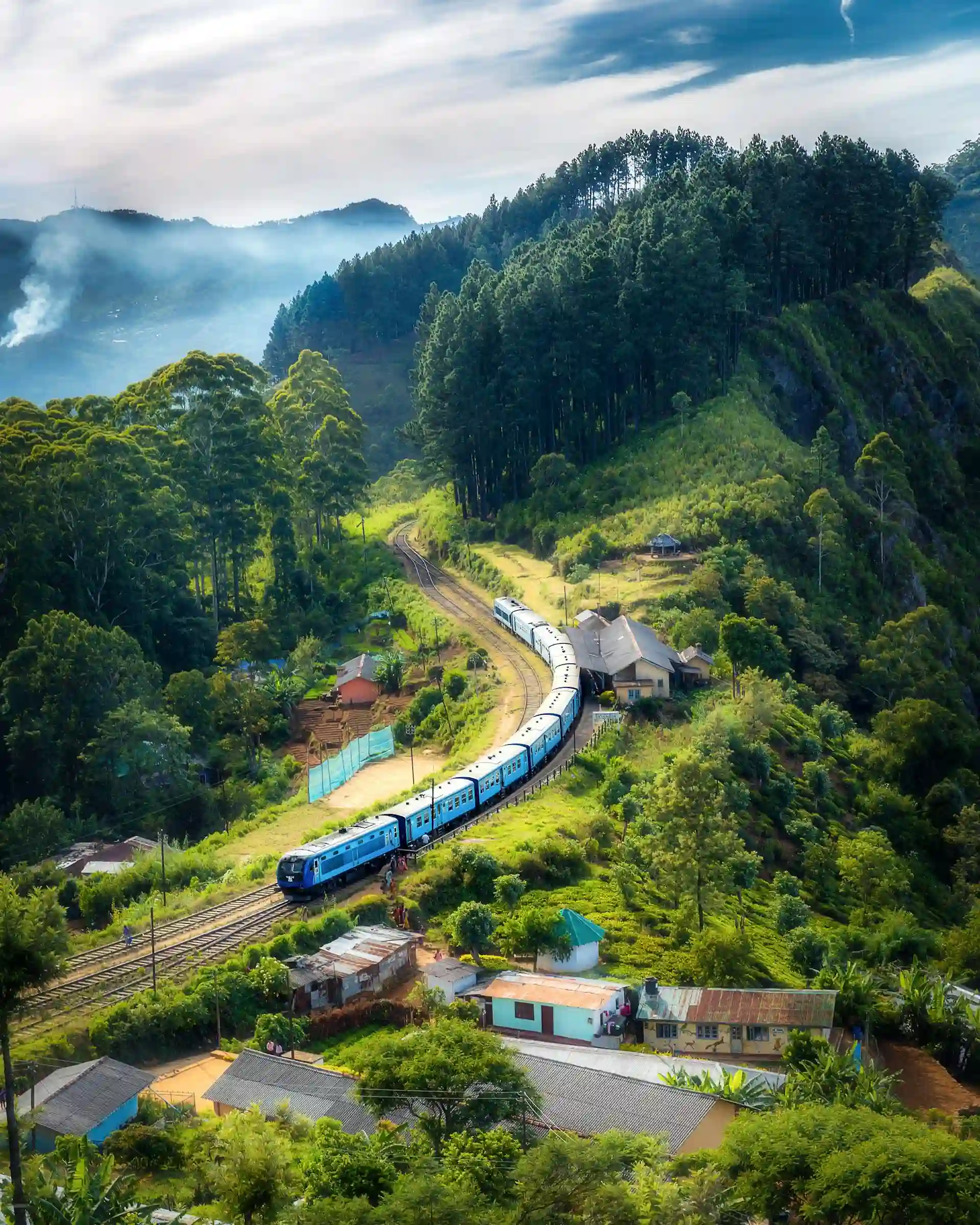
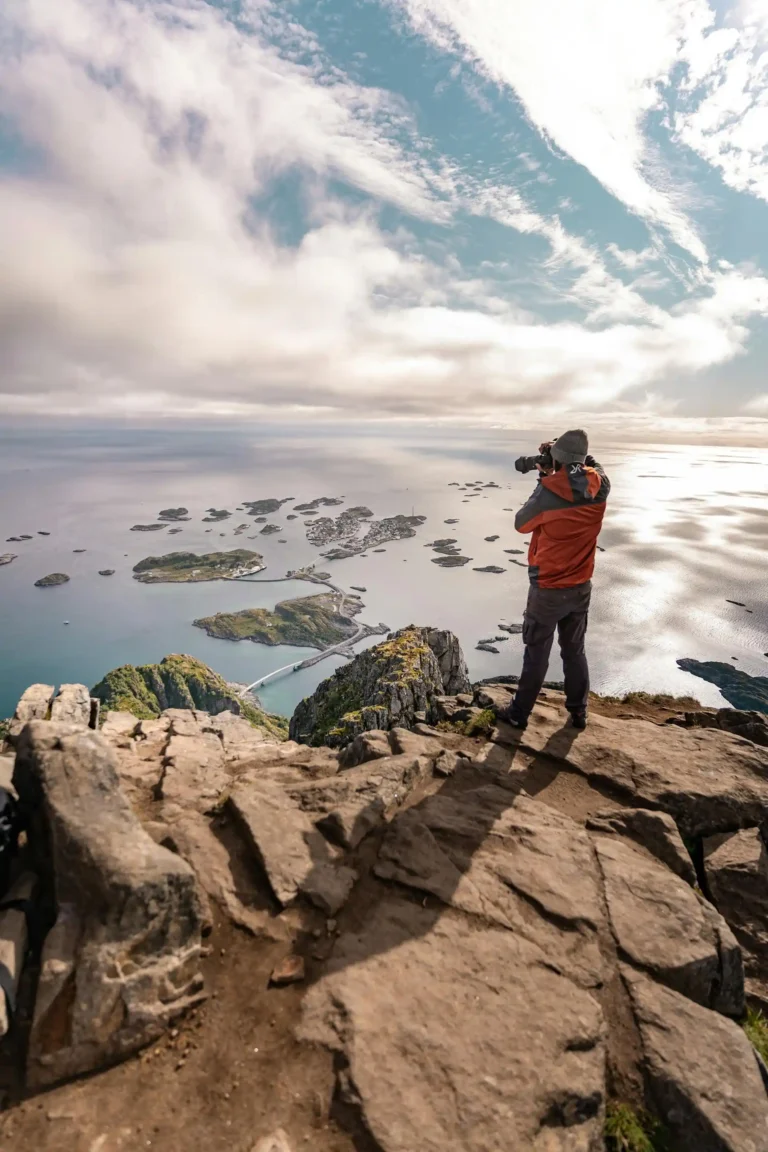
Drone aerial photography has transformed picture-making by giving us access to previously unimaginable vantage points. The entire world then becomes a painting, with lovely patterns, symmetries, and scale imperceptible on the ground. It's both technical skill and an eye for abstract structure.
The Unique Viewpoint
The power of aerial images lies in their ability to simplify complexity. From high above, roads become clean geometric lines, fields become vibrant textures, and crowds transform into mesmerizing formations. Drone work excels in capturing:
Scale: Highlighting the sheer size of natural formations or architectural feats.
Patterns: Identifying and isolating repeating shapes and structures (e.g., roof tiles, crop circles).
Symmetry: Creating powerful, balanced compositions from above.
Safety, Technology, and Law
There has to be responsibility in order to effectively fly a drone. Incurring the cost of a quality camera sensor, excellent gimbal stabilization, and long battery life is necessary. But the most crucial thing of all is compliance with local regulations and safety guidelines. It is always better to remain aware of no-fly zones, maintain line-of-sight, and not fly higher than permitted. Technology and imagination together create drone photography one of the most exciting realms of practice today.
Sports Photography: Freezing the Triumph
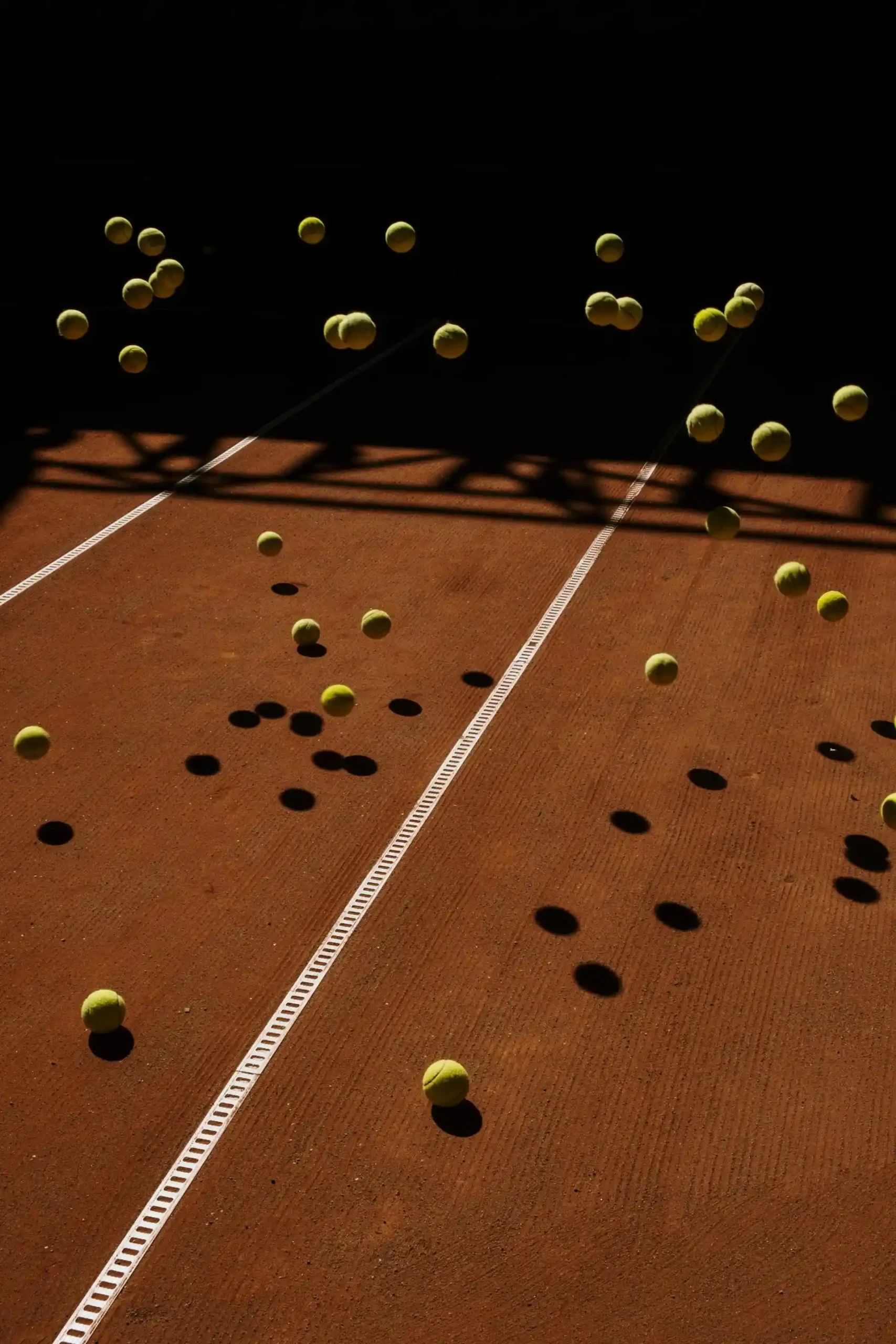
Sports photography is a high-energy specialization committed to capturing peak action and raw human emotion. It is not just about covering a game, but about conveying the intensity of competition, the moment-by-moment agony of defeat, and the ecstasy of victory.
The Technical Edge
In sports, speed is everything. Photographers must rely on top-tier equipment and precise settings to succeed:
Shutter Speed Mastery: A fast shutter speed (often 1/1000 sec or higher) is essential to completely freeze the action. Alternatively, a slow shutter speed can be intentionally used to create motion blur, giving a sense of speed and dynamism to the background.
Autofocus Tracking: Utilizing the camera's continuous autofocus mode (AI Servo or AF-C) is mandatory to keep a fast-moving subject razor-sharp as it approaches or moves away from the lens.
Lenses: Telephoto lenses (70−200mm or 300mm primes) are the workhorse of the genre, allowing the photographer to get close to the action from the sideline.
Anticipation and Composition
Unlike other genres, the sports photographer is always anticipating. You must be familiar with the sport, sense where the key action will occur (the pass, the tackle, the goal), and position your camera beforehand. Composing a shot isolating the athlete against a discreet background, or one that conveys the physical exertion and determination on his face, elevates the photo from a record to an effective story.
Fashion Photography: The Art of Style and Imagery
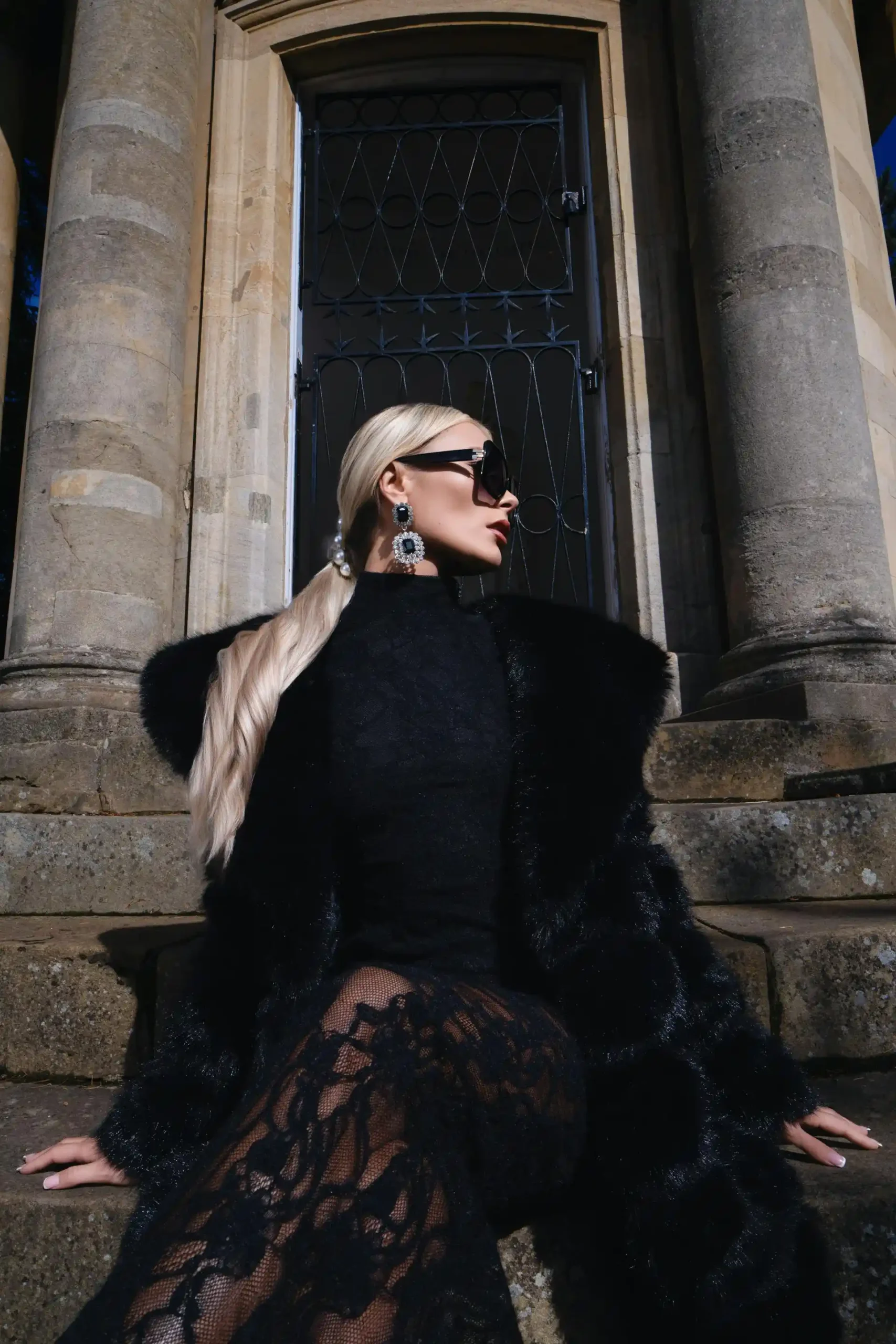
Fashion photography is a collaborative and creative business with the goal of advertising clothes, accessories, and trends. It is commercial by nature, yet it is a powerful medium for artistic expression, fantasy, and cultural commentary. Its aim is to sell a product by selling a dream or a lifestyle.
Studio vs. Editorial
The genre splits into two main areas:
Commercial (Lookbooks/Campaigns): Focuses on clear, well-lit images that accurately display the garment for sales purposes.
Editorial (Magazines): More conceptual and artistic, telling a story or creating a mood around the clothes. This requires intense creativity in styling, location, and post-production.
The Power of Lighting and Teamwork
Lighting in fashion is everything. Whether one is using the softness of natural light or painstakingly positioning studio strobes with modifiers like softboxes and beauty dishes, the lighting defines the model and the clothing. Above all, fashion photography is a collaborative effort. The photographer works with models, stylists, hair/makeup artists, and art directors to realize a shared vision. Post-production is also a critical component, using high-level retouching and color grading to achieve the shiny, aspirational look that the industry demands.
Begin Your Photographic Journey Today
From the gritty realism of street photography to the profoundly aspirational character of fashion photography, and the adrenaline-fueled thrill of sports photography to the breathtaking grandeur of drone photography, the world offers limitless opportunities for your lens. Each genre has its challenges and opportunities, but each of them has one thing in common as their goal, and that is to narrate a story. Ready to put these concepts into action? Explore our galleries, head over to our in-depth guides, or drop us a line to discuss your next big project!
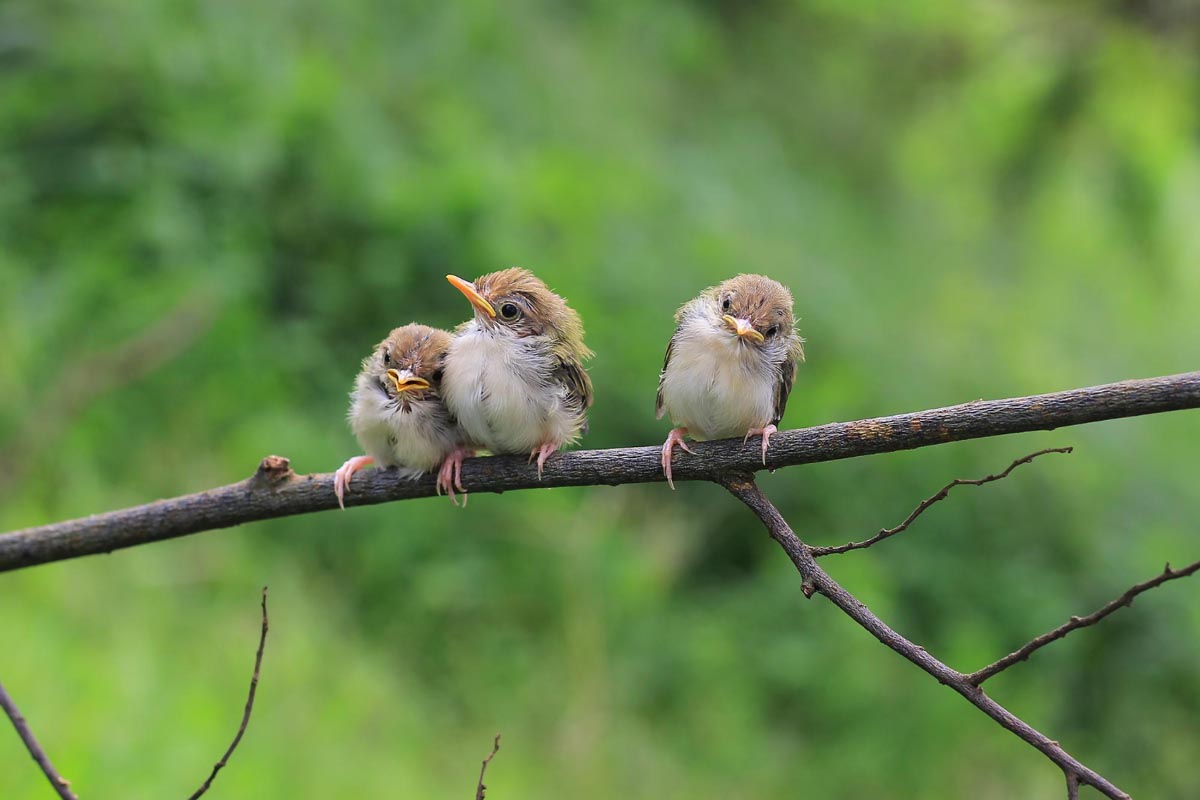
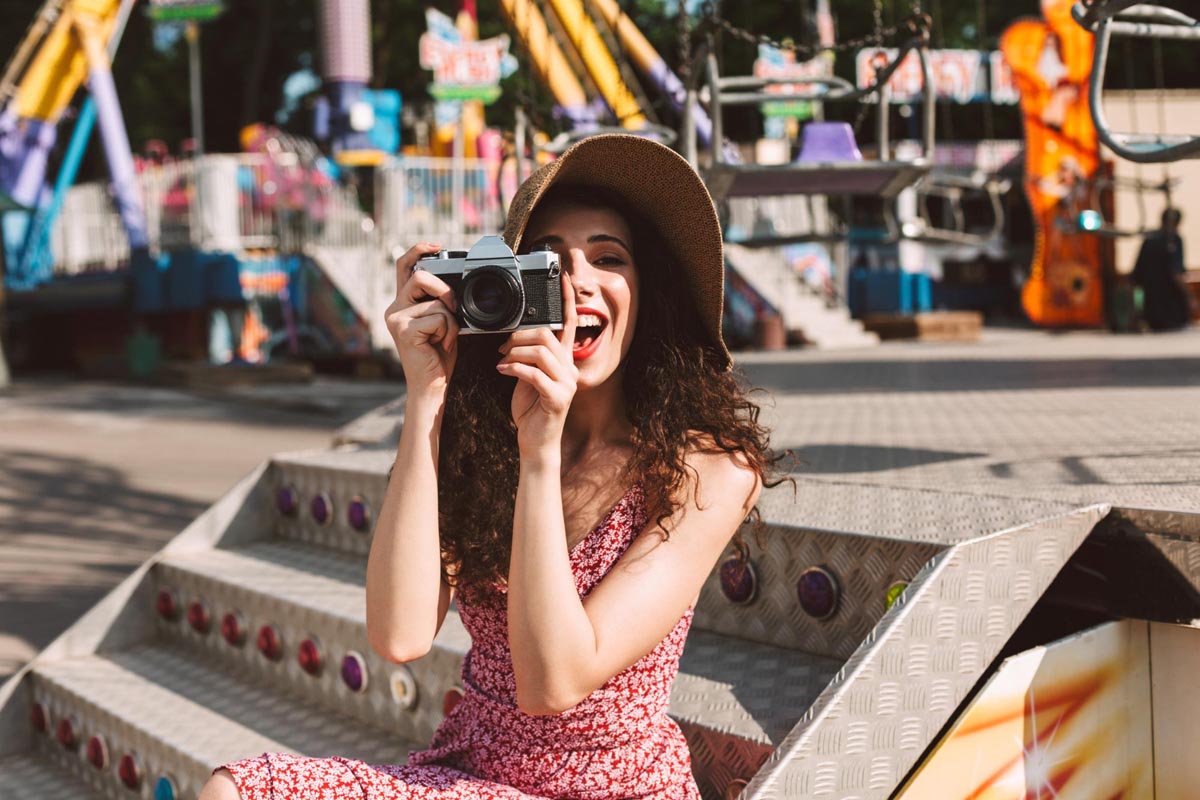
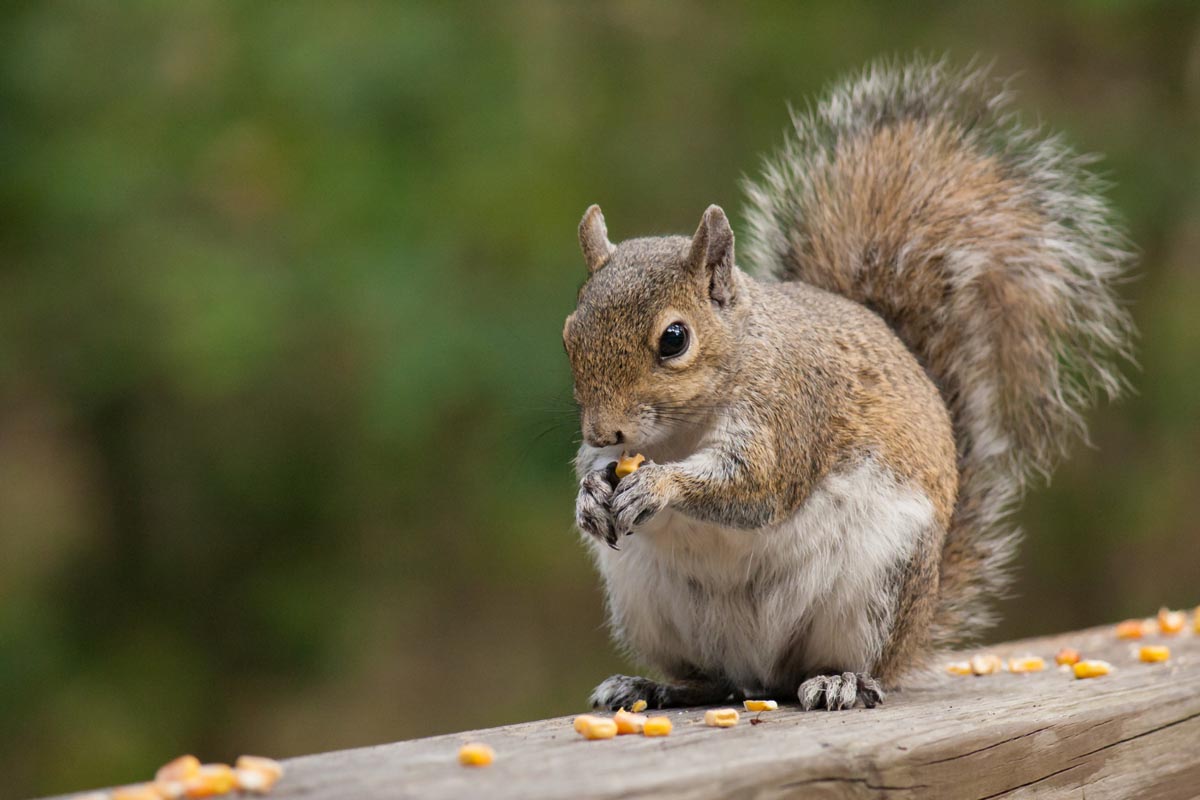
A few works for inspiration
Useful information for students and pupils
The essay writing service https://ca.essaypro.com/ handles assignments across disciplines, creating polished content that supports learning and academic confidence.